
I am often asked where’s the one place I’ve visited that has totally blown me away and, I have to say, it’s a tough question to answer. I have seen so many wonderful places and each has its own special memories. But in terms of one country where I felt truly privileged - for its remote isolation, its traditional way of life and its pristine landscapes - it has to be the Kingdom of Bhutan.
I first visited back in 2009 and the memory has lingered long. There are places that call you back, that seem to know, before you do, that you’re not yet finished with them. Bhutan is one of those places. So, when the opportunity came to return and dig deeper into its many valleys, I jumped at the chance and my second visit surpassed the first - and if it isn’t already on your bucket list, I hope that by the time you finishing reading this, it will be.
Perched on the eastern edge of the Himalayas, sandwiched between India and Tibet, Bhutan has always been shrouded in mystery. Self-isolated from the outside world for many years, it only opened to visitors in 1974 and still carefully manages their number to preserve its unique culture and way of life. The result is a country that feels, against all modern odds, genuinely unspoilt - the freshest of air awash with mantras drifting from countless fluttering prayer flags and spinning, multi-coloured wheels.
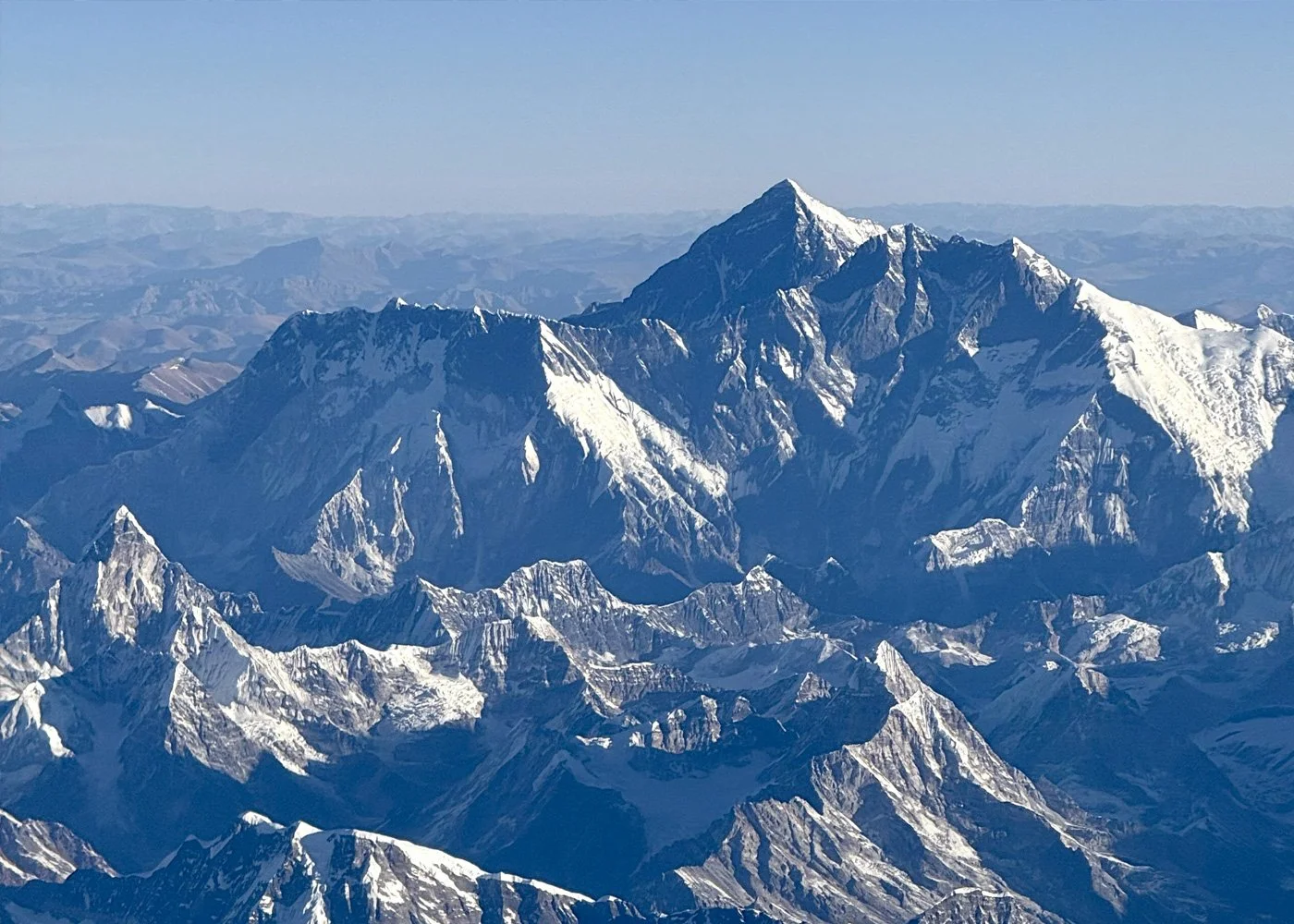
Even arriving is unlike anywhere else. Flying in from Kathmandu, you glimpse the majestic tips of the Himalayas, Everest unmistakable amongst them. Then, dipping below the cloud cover, rolling green hills emerge as the pilot weaves precariously through tree-covered valleys towards an impossibly small landing strip on the edge of Paro.
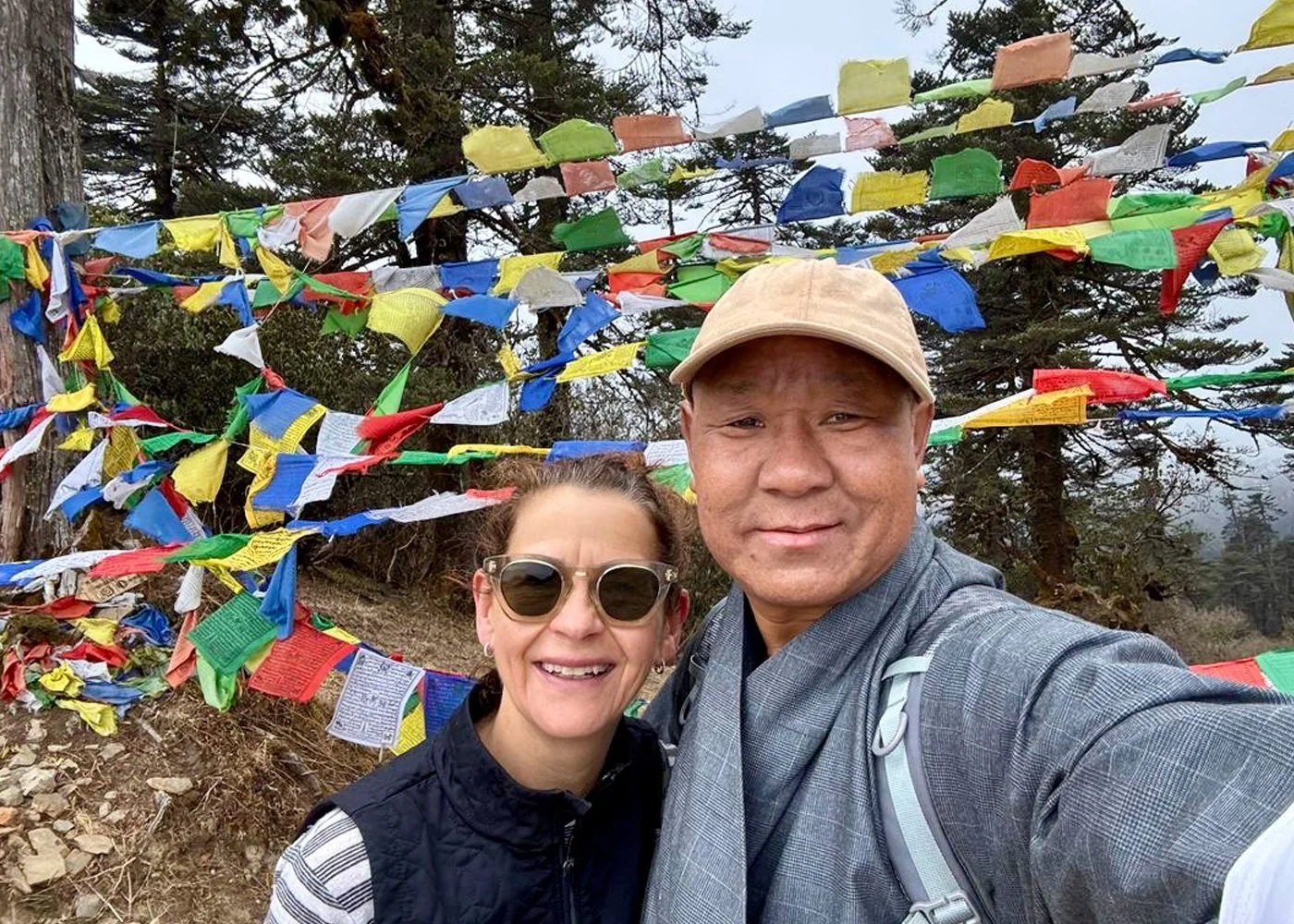
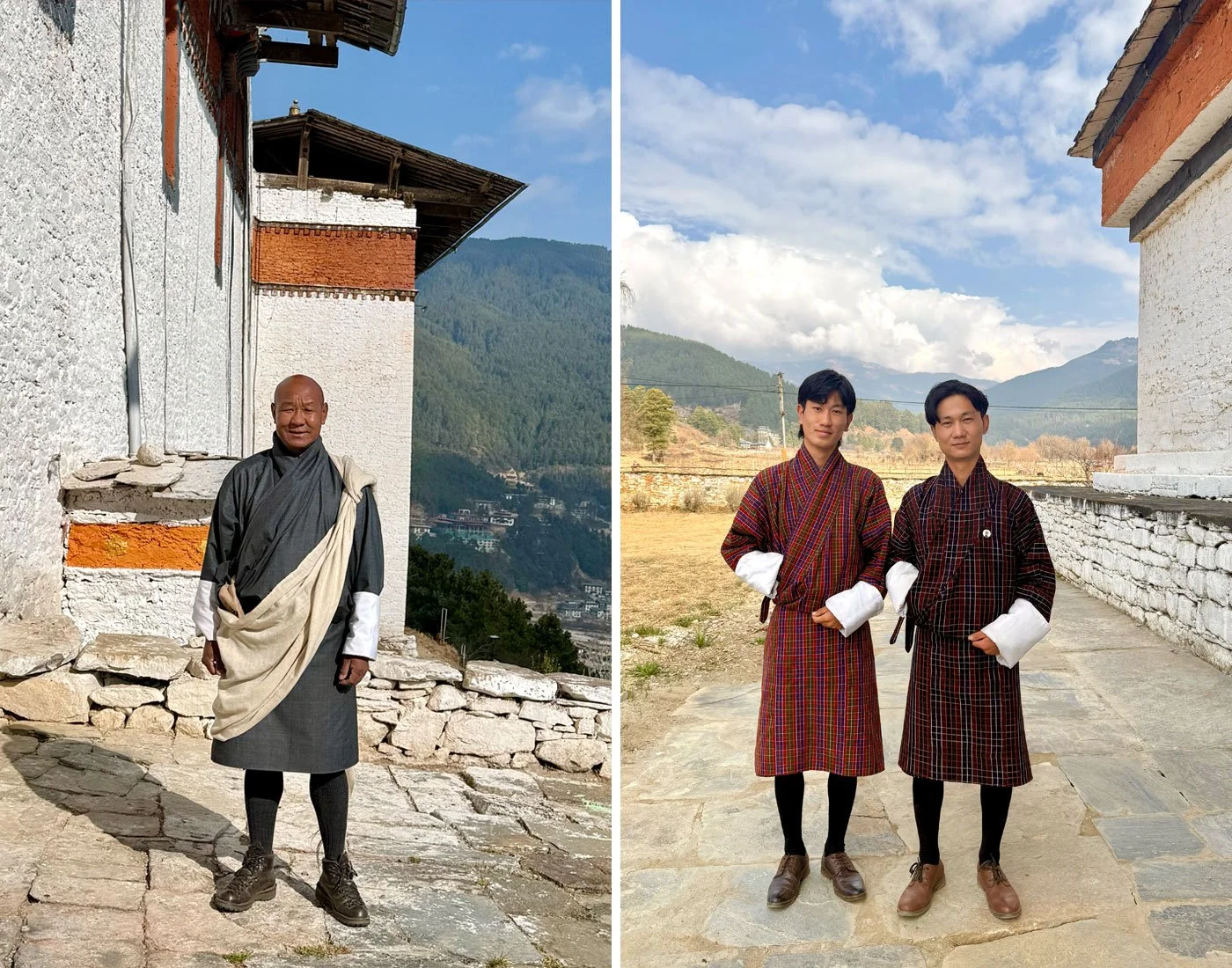
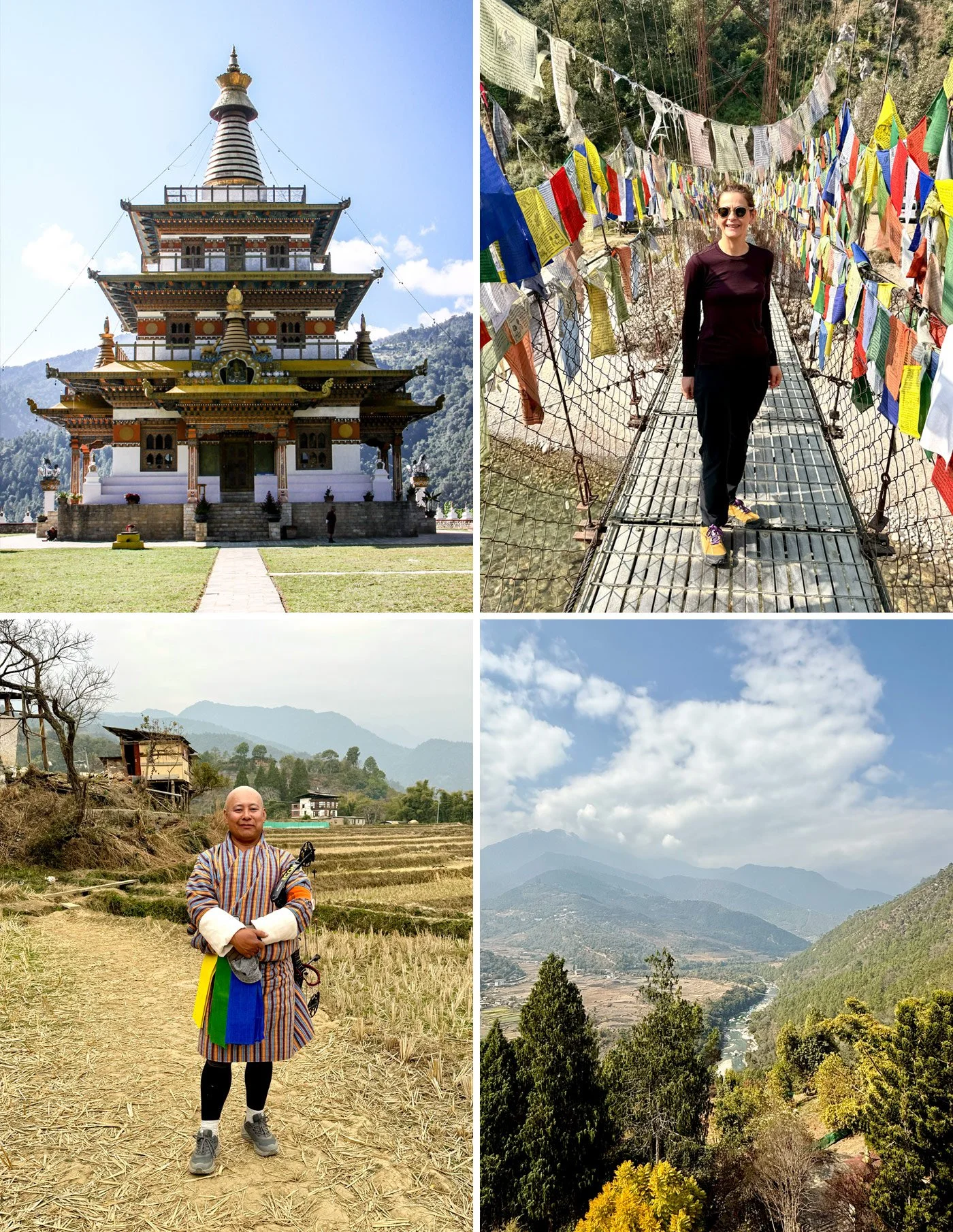
Throughout my trip I was accompanied by my guide, Nima, dressed in a traditional gho. These beautiful garments - woven in rich, vivid cloth and belted loosely to create a pouch for everything from books to babies - are worn by men across the country, a tradition upheld with quiet pride. In Bhutan, traditional dress isn’t a costume for tourists; it is simply daily life. As is the warmth of its people - those I spoke to glowed with pride when they talked of their country.
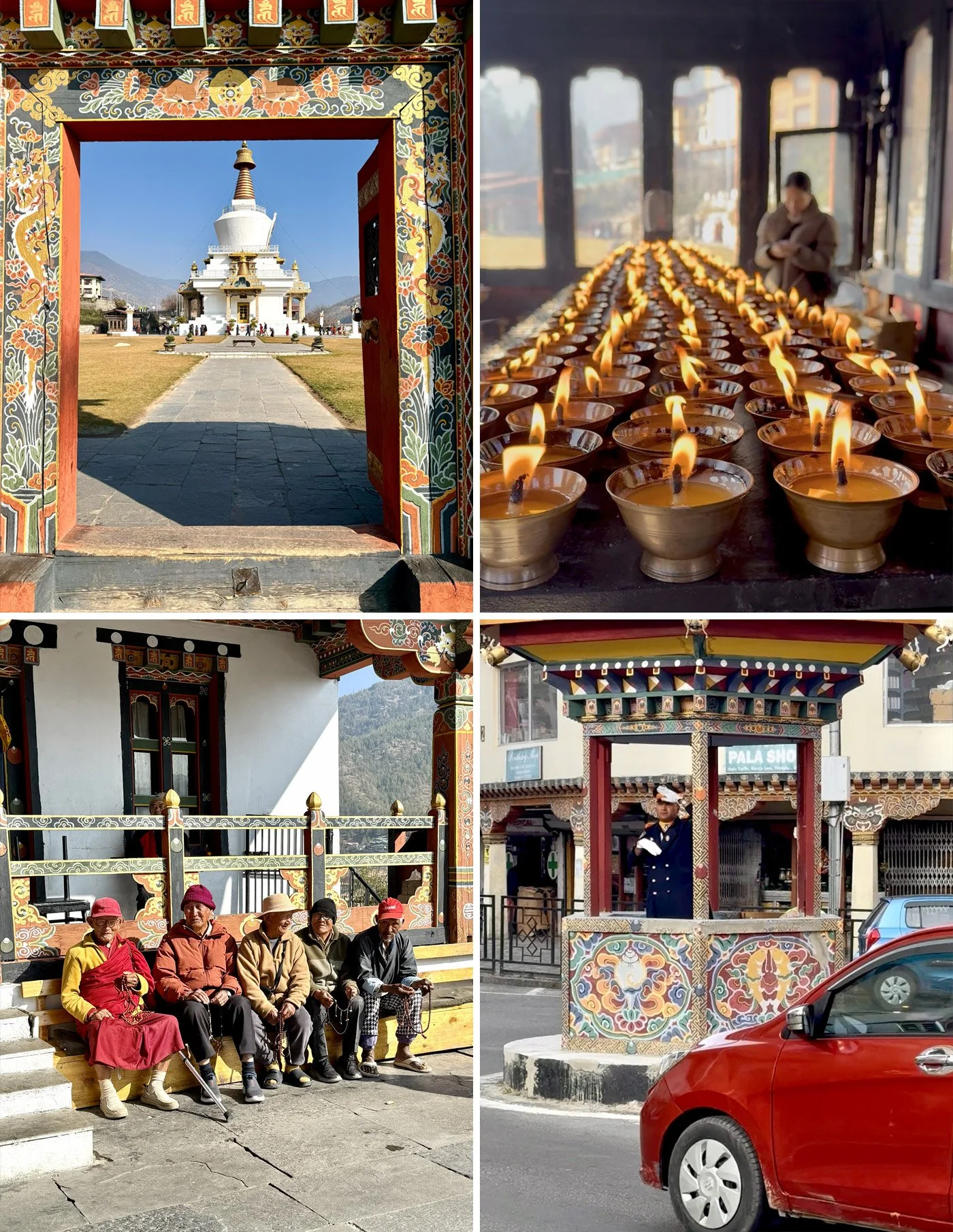
Our first stop was Thimphu - a capital unlike any other, with no traffic lights whatsoever, its one roundabout presided over by a magnificently gloved policeman. Daily life here is quietly shaped by prayer, meditation and the accumulation of good karma. Nowhere is this more vivid than at the Memorial Chorten, where locals walk in a steady clockwise stream, an act believed to generate merit, and which doubles, endearingly, as a favourite catch-up spot for the older residents of the city. Worship and sociability, perfectly intertwined.
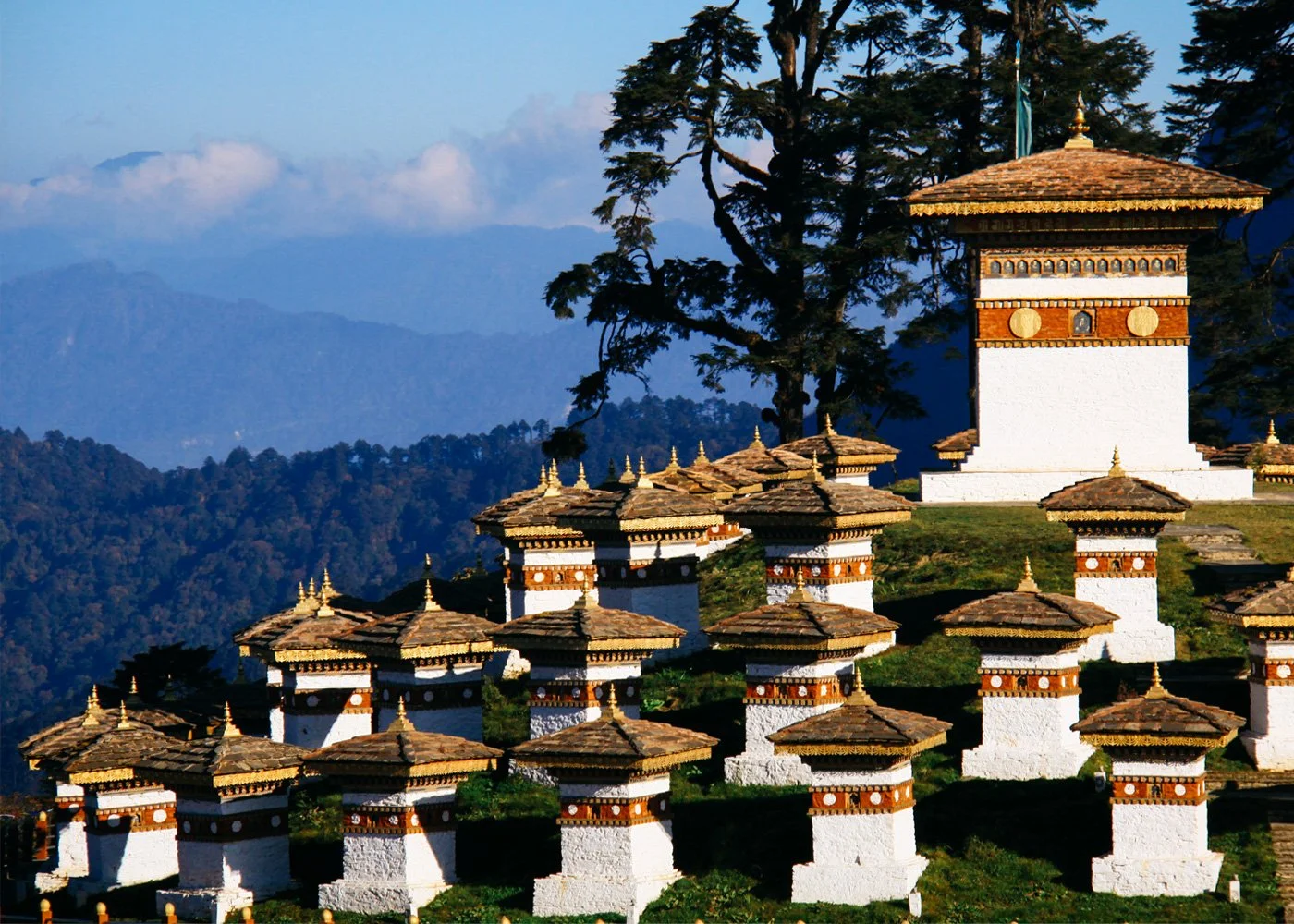
From Thimphu, we climbed over the Dochu La Pass, crowned with 108 iconic white chortens.
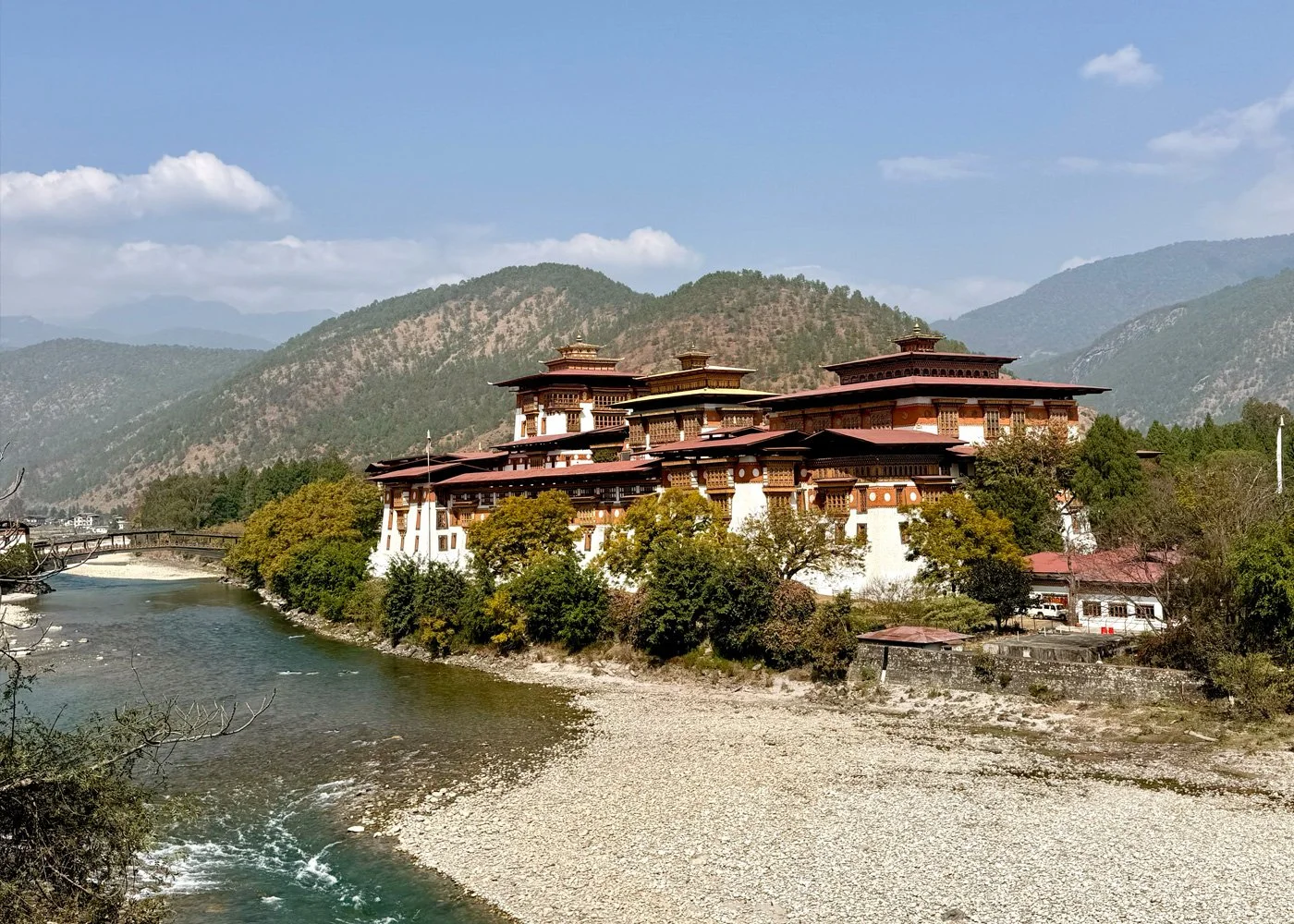
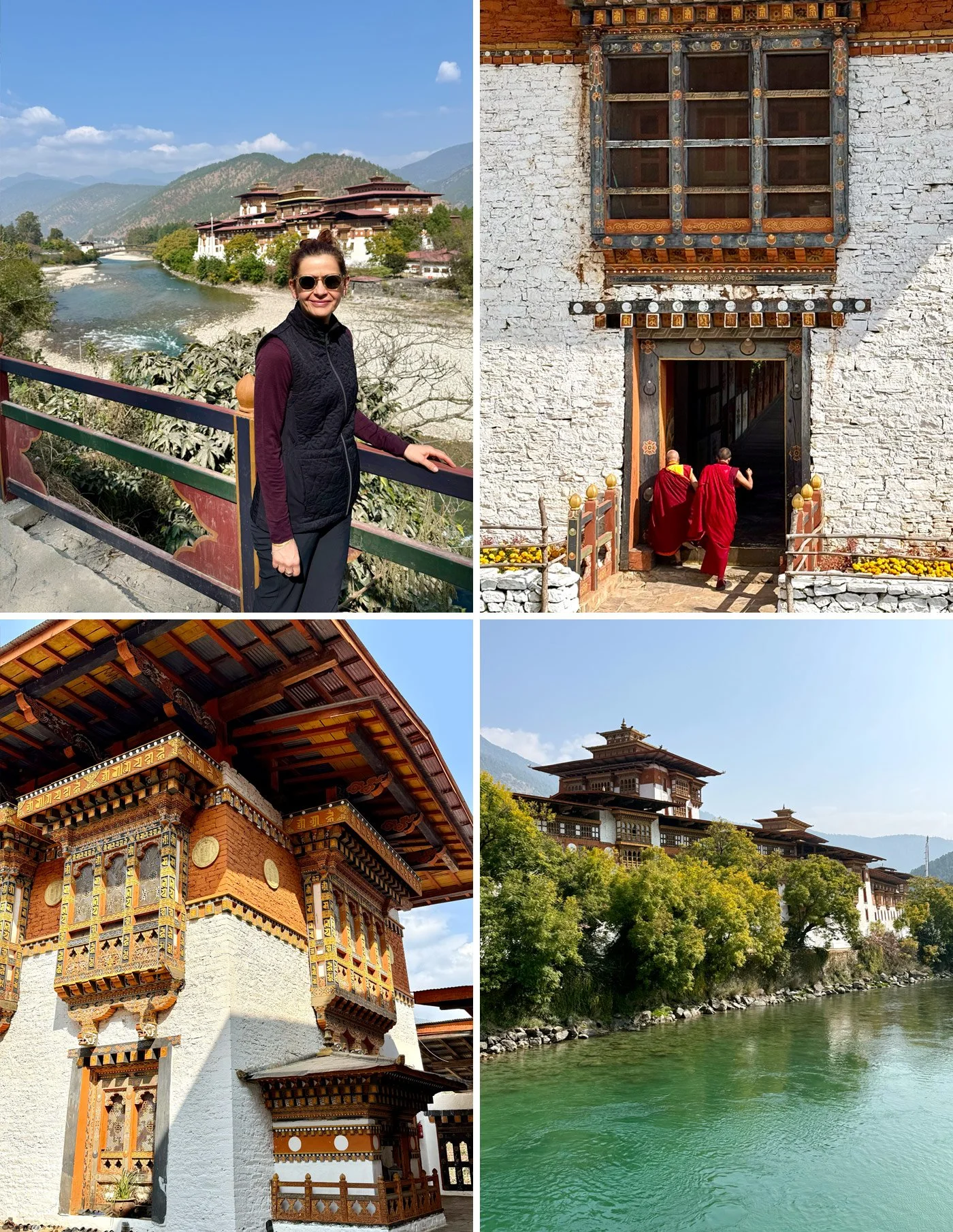
We then dropped into the lush warmth of the Punakha Valley. Here, the great Dzong rises at the confluence of two rivers; each of Bhutan’s regional hubs features one of these striking fortress-monasteries, but Punakha’s is arguably the most stunning.
We hiked up to the Khamsum Yulley Namgyal Chorten for sweeping views, descending through rice terraces, farms and along the river. Blissfully, we had the landscape to ourselves. Along the way, we came across a local archery match - the national sport - the winners proudly adorned with coloured sashes.
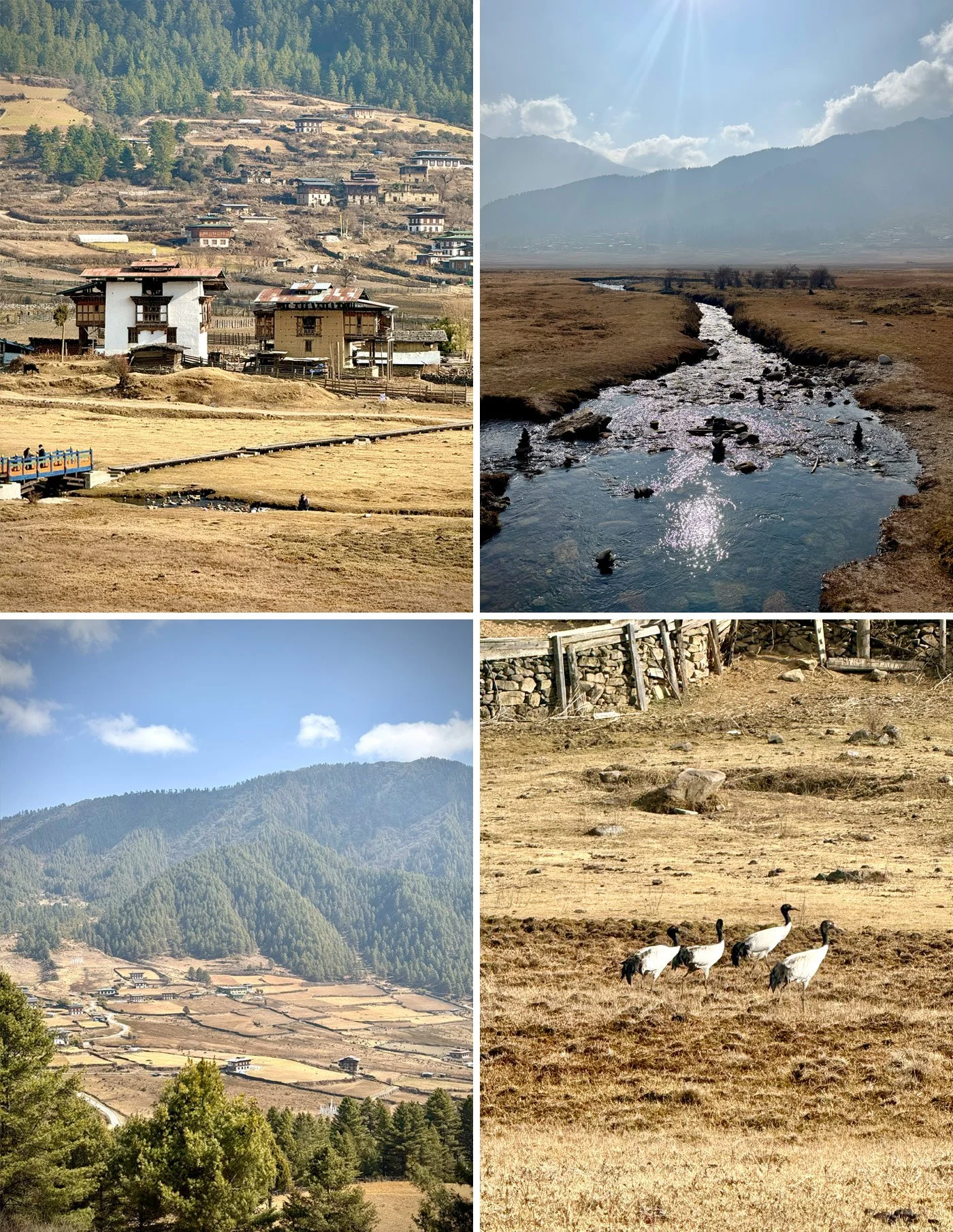
Next came Gangtey. Reached by a road that coils upward through forest until, quite suddenly, the trees open and you find yourself looking down into the Phobjikha Valley, a wide, glacial bowl of extraordinary stillness and one of Bhutan’s most protected ecosystems. Home to the endangered, deeply revered black-necked cranes that migrate from Tibet each winter, I was lucky enough to see them before they departed.
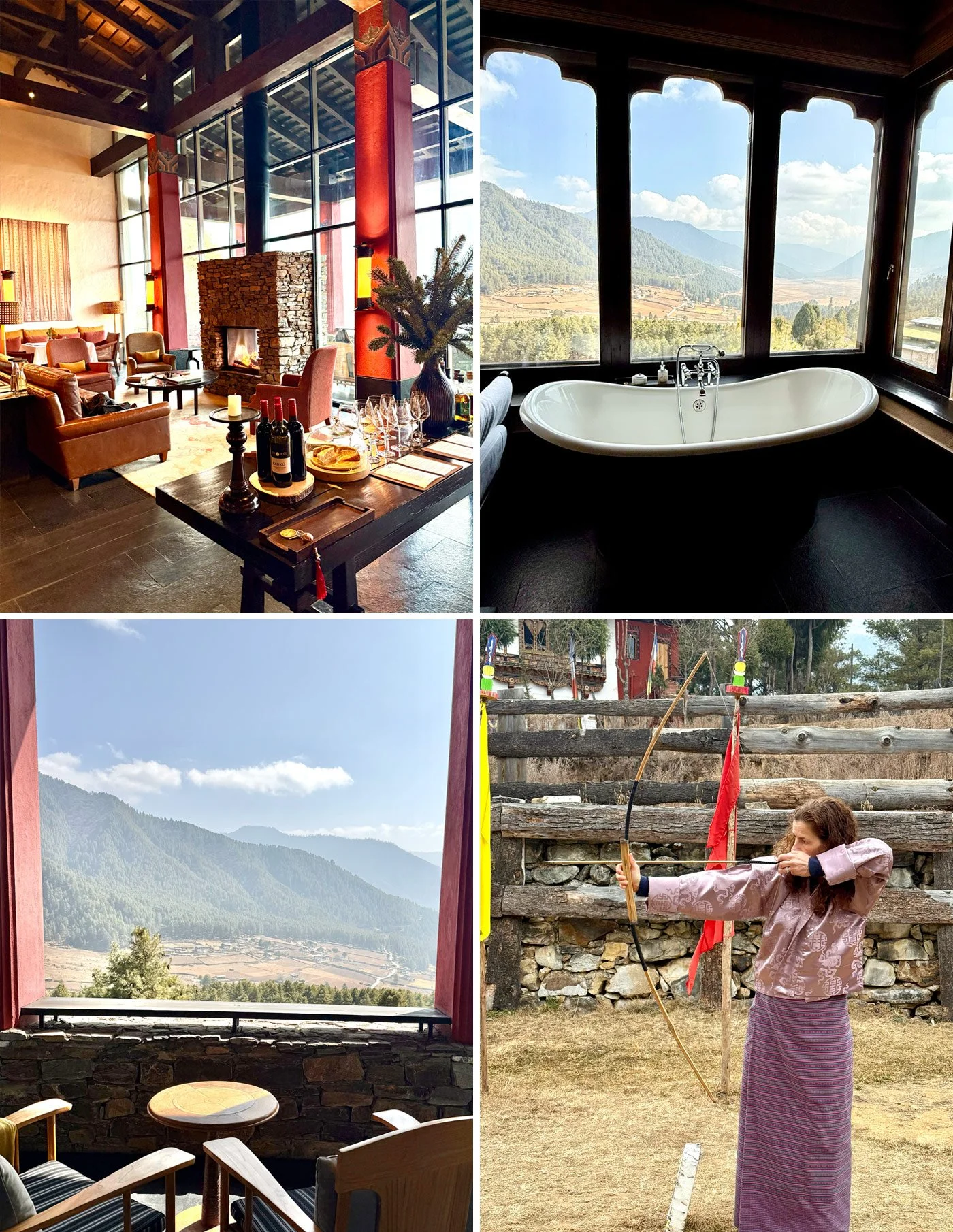
Here I stayed at the wonderful privately owned Gangtey Lodge.
One morning the lodge set up the most magical breakfast inside Gangtey’s monastery - one of those small, perfect moments you file away and return to in your mind, years after.
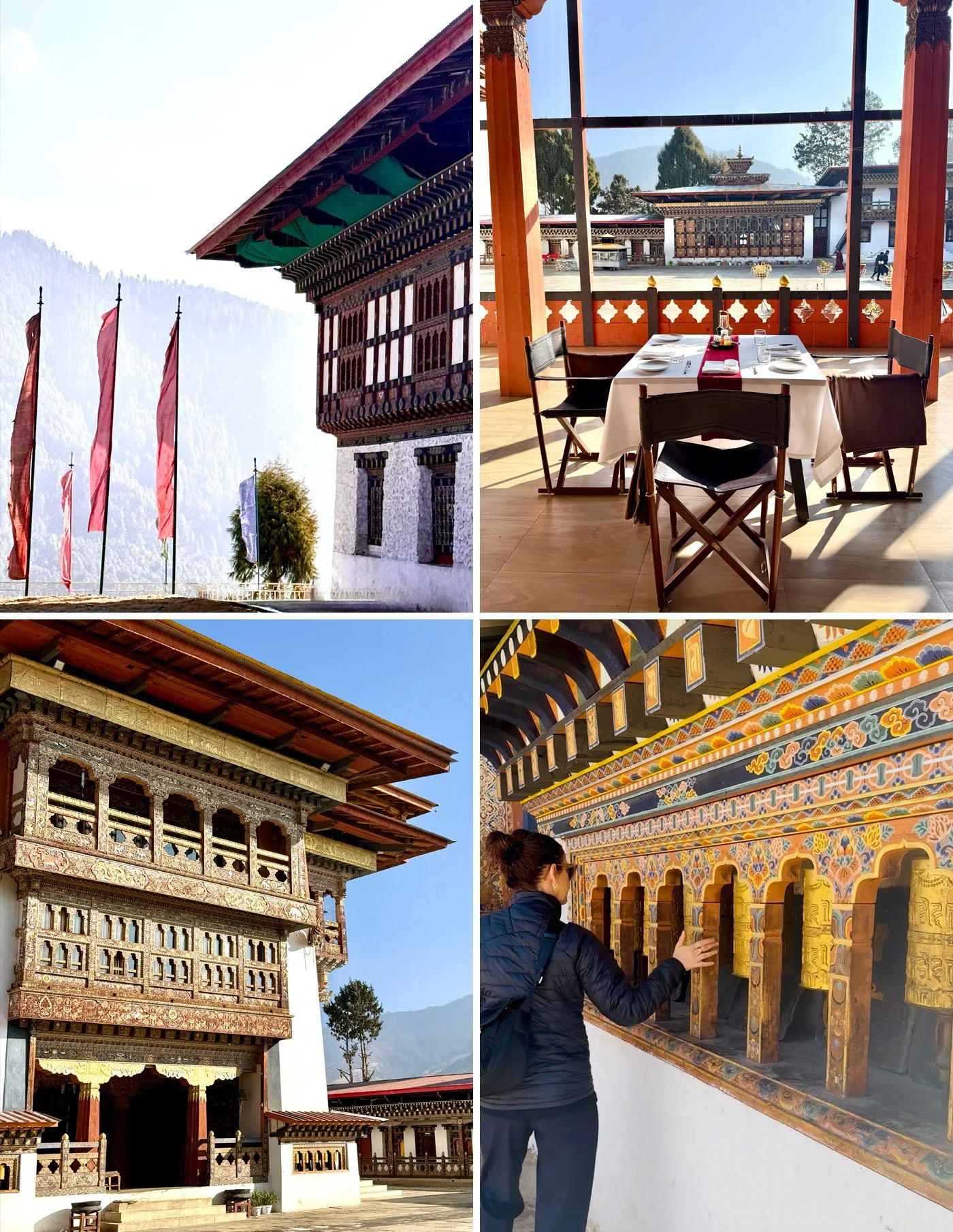
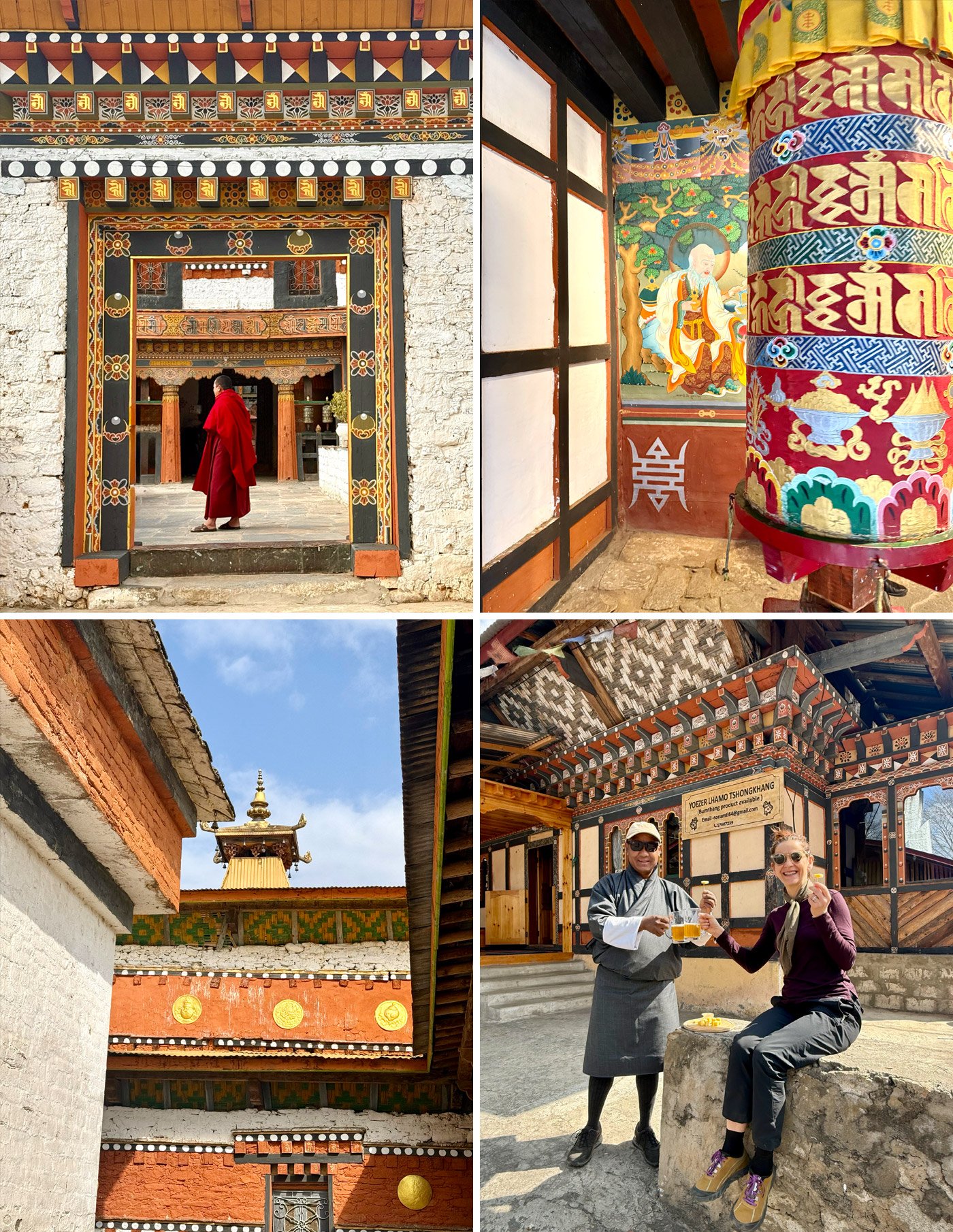
From Gangtey Nima and I continued east to Bumthang, the kingdom’s spiritual heartland. A day exploring the valley took us to the ancient Jambay Lhakhang, one of Bhutan’s holiest sites. Then to Jakar Dzong - the Castle of the White Bird - a fortress steeped in legend and 17th century history. We ended in a sun-warmed courtyard tasting locally-made Swiss cheese and Red Panda beer from Bhutan’s first microbrewery.
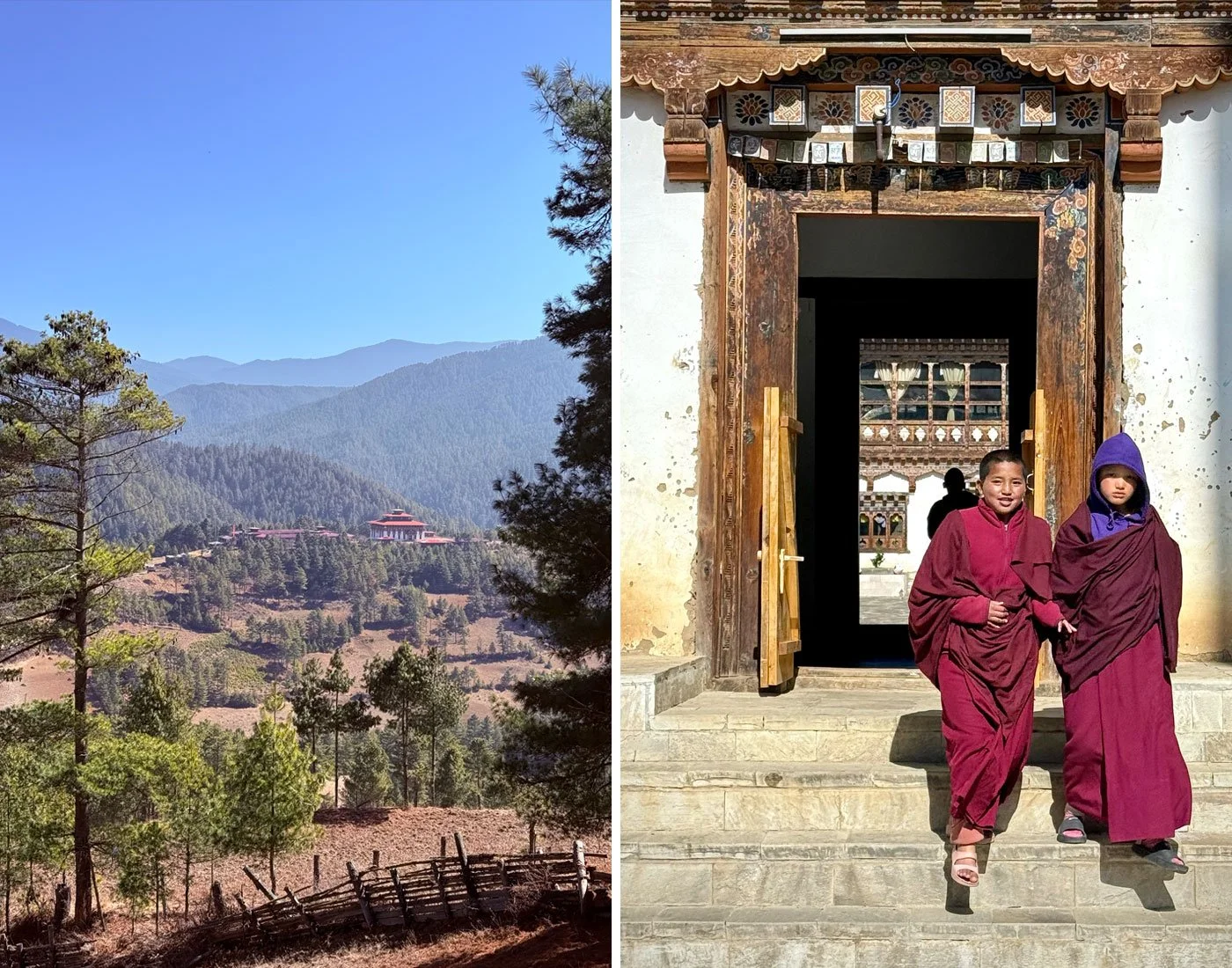
The following day, we set out on a trek along part of the Trans Bhutan Trail, through a fragrant pine forest, with yet more of those sweeping views that seem to follow you everywhere in this extraordinary country.
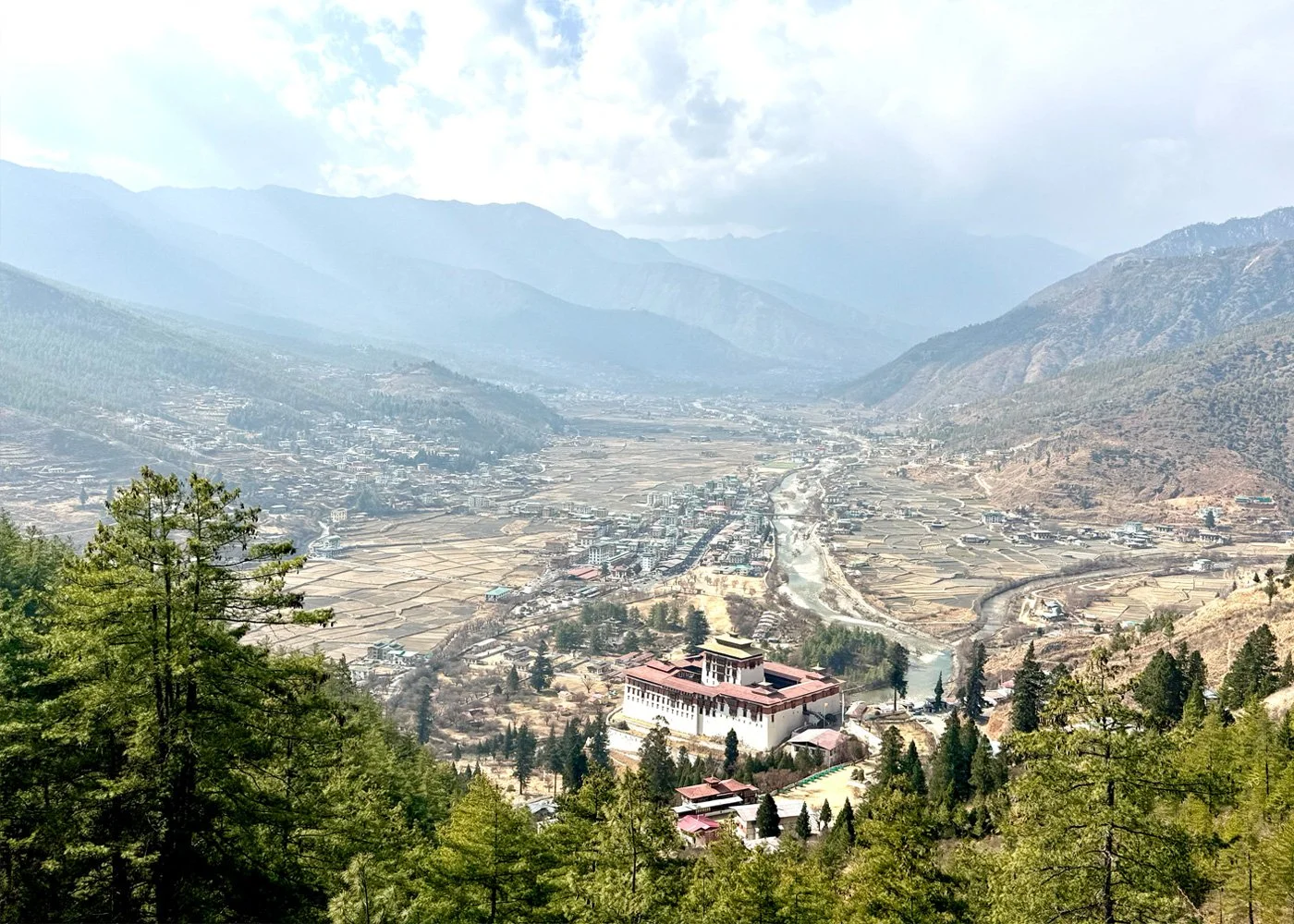
My trip ended back in Paro, where I finally had time to slow down and take in the valley properly.
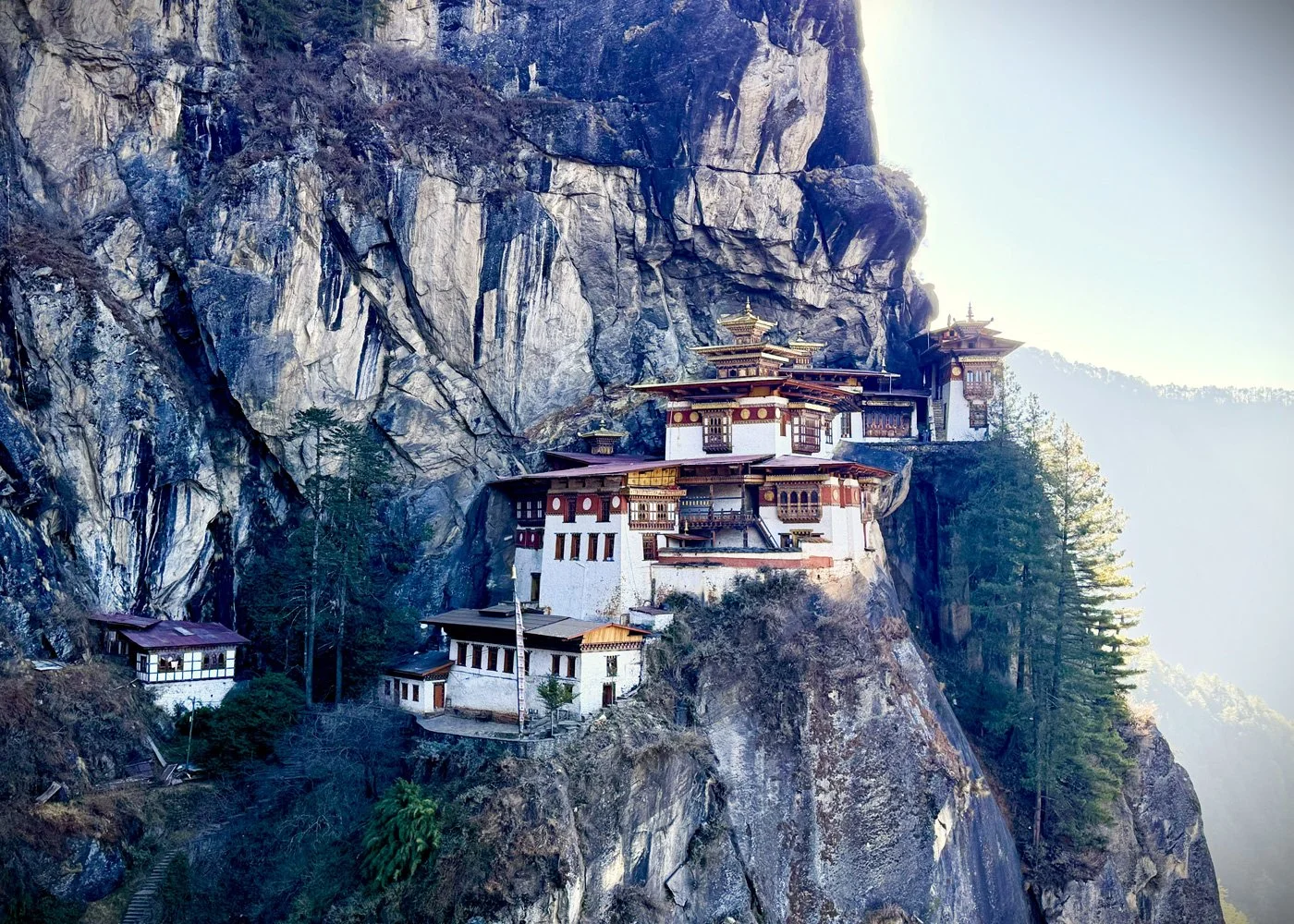
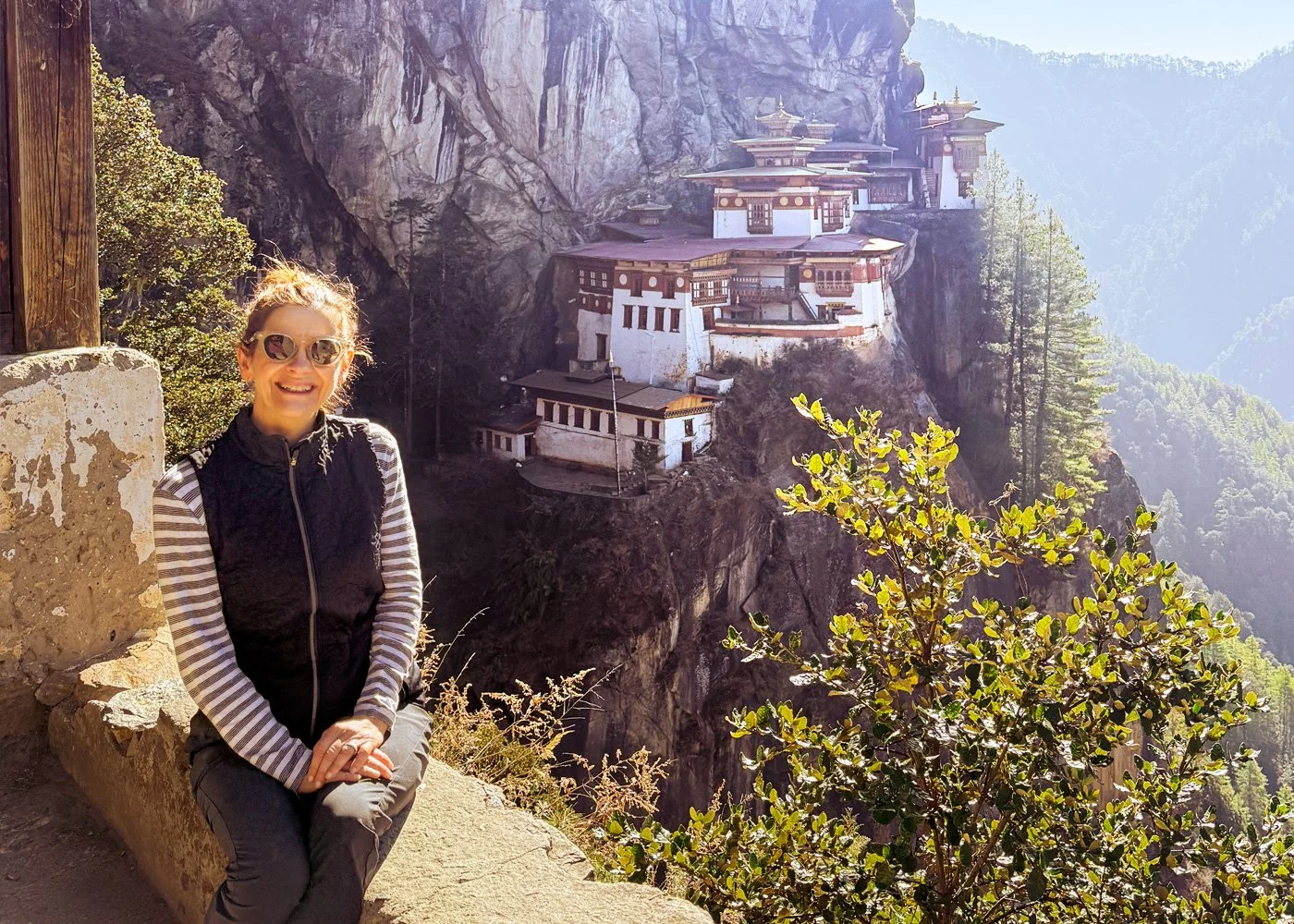
On my final day, I made the two-hour hike to the famous Tiger’s Nest, that magnificent monastery perched precariously on an outcrop of rock, 900 metres above the valley floor. You think you’ve prepared yourself. You’ve seen the photographs. I’d even been before. And yet, nothing quite readies you for the moment you round that final corner and it comes into full view. The perfect note on which to reflect on an amazing trip - and I was quietly pleased to have matched my hiking time of sixteen years earlier.
Bhutan is a destination like no other: an exclusive glimpse into a remote Himalayan kingdom that few people ever see and an experience that will live long in your memory. The more time you invest travelling around the country, the more magical it becomes. And the second time, I found, it gives you even more than the first.
As a nation that supports Gross National Happiness over Gross National Product, visiting this Kingdom will certainly enhance your own. If you would like to find out more, please do get in touch.