
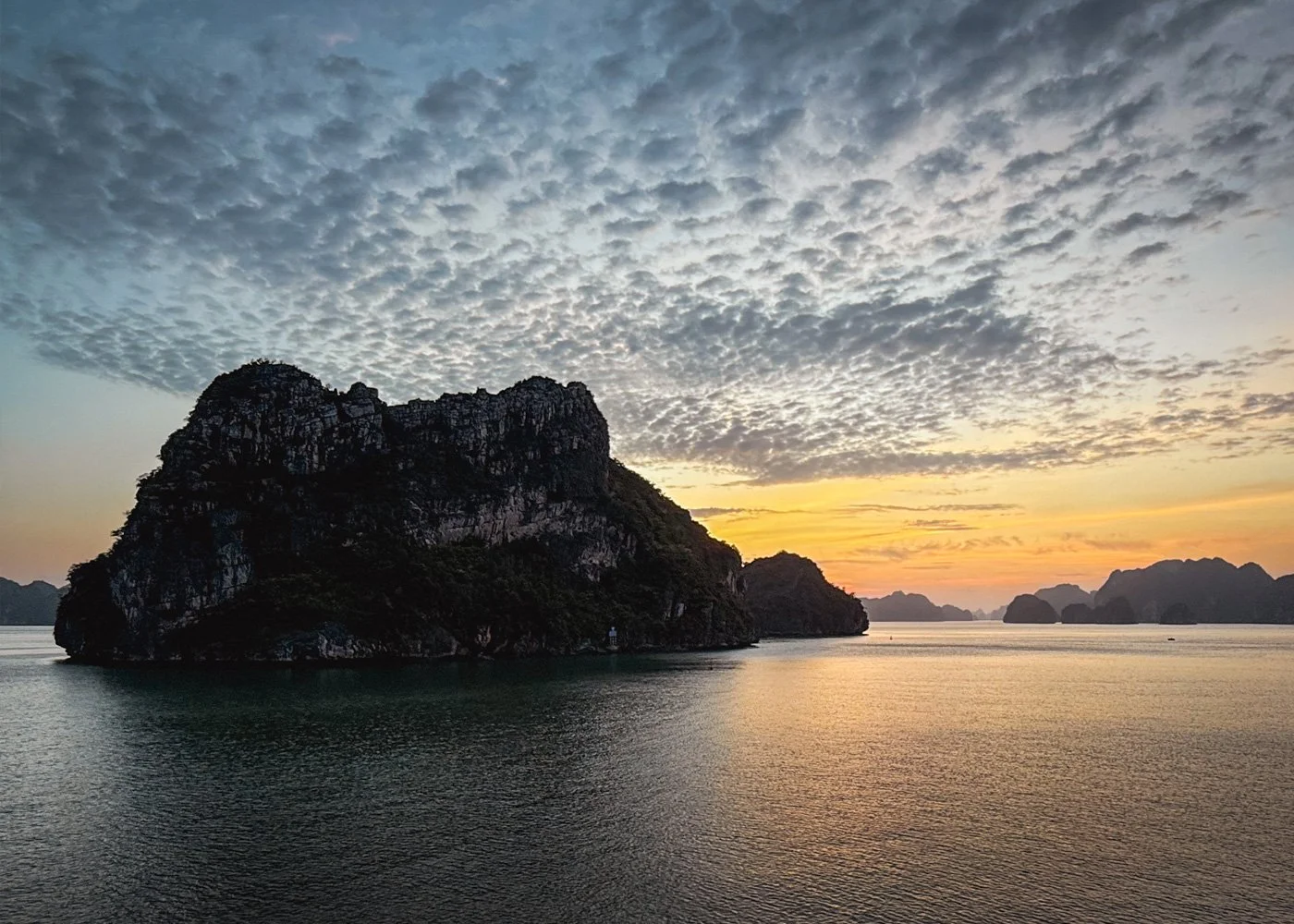
Look left. Look right. Look left again. One moment you’re surrounded by idyllic coastal scenery, the next you’re immersed in pulsating metropolitan buzz. That’s Vietnam - always in motion, ever vibrant, a visual and culinary feast.
I’ve just returned from three weeks travelling the length of the country from north to south with my partner and a trusted local expert on the ground. It had been several years since I last visited this extraordinary land that traces a graceful curve down the eastern edge of Southeast Asia.
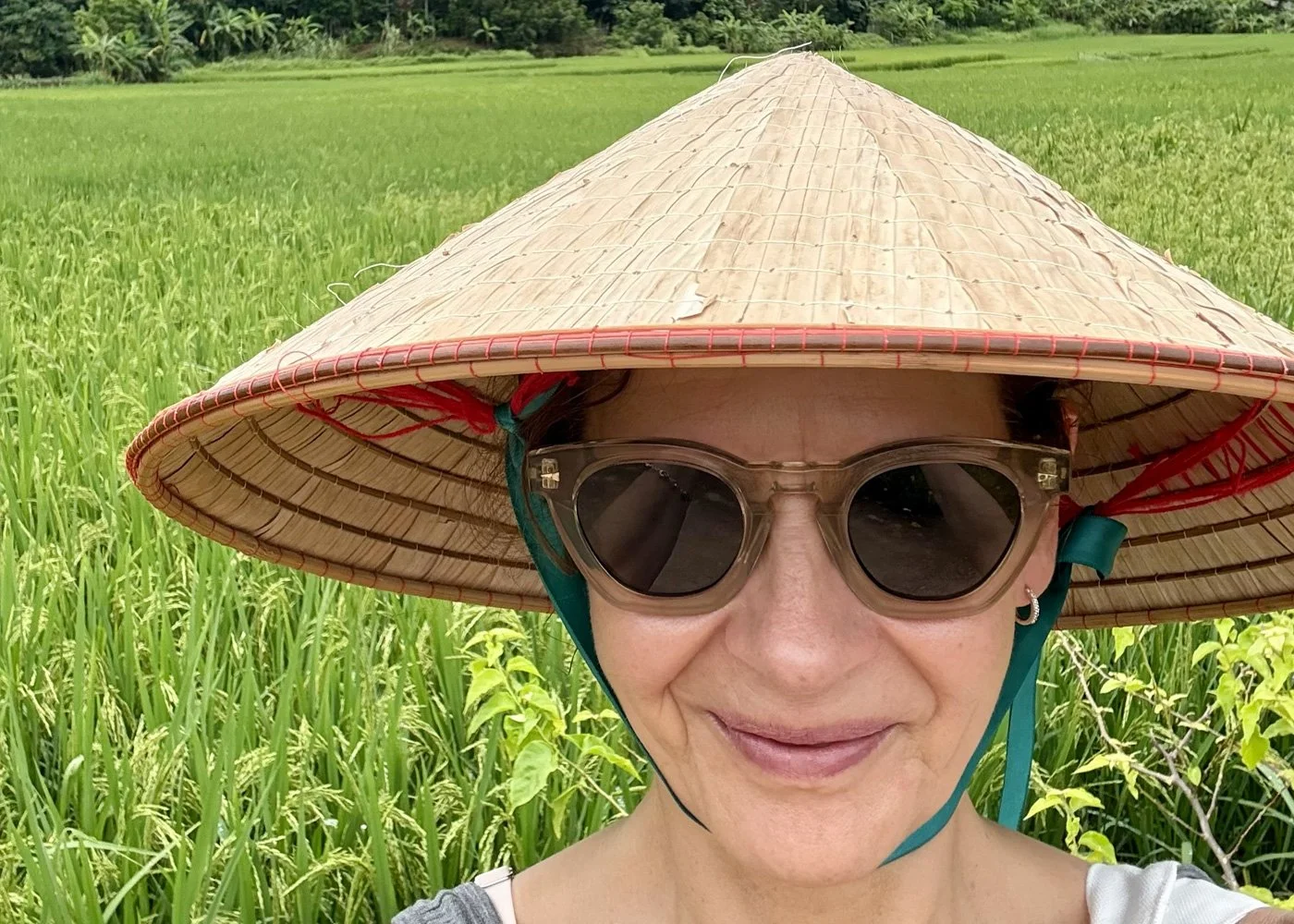
It’s fair to say that Vietnam is busier than it once was, yet the country’s greatest strength remains unchanged: its deep cultural identity, enduring traditions and the remarkable warmth of its people.
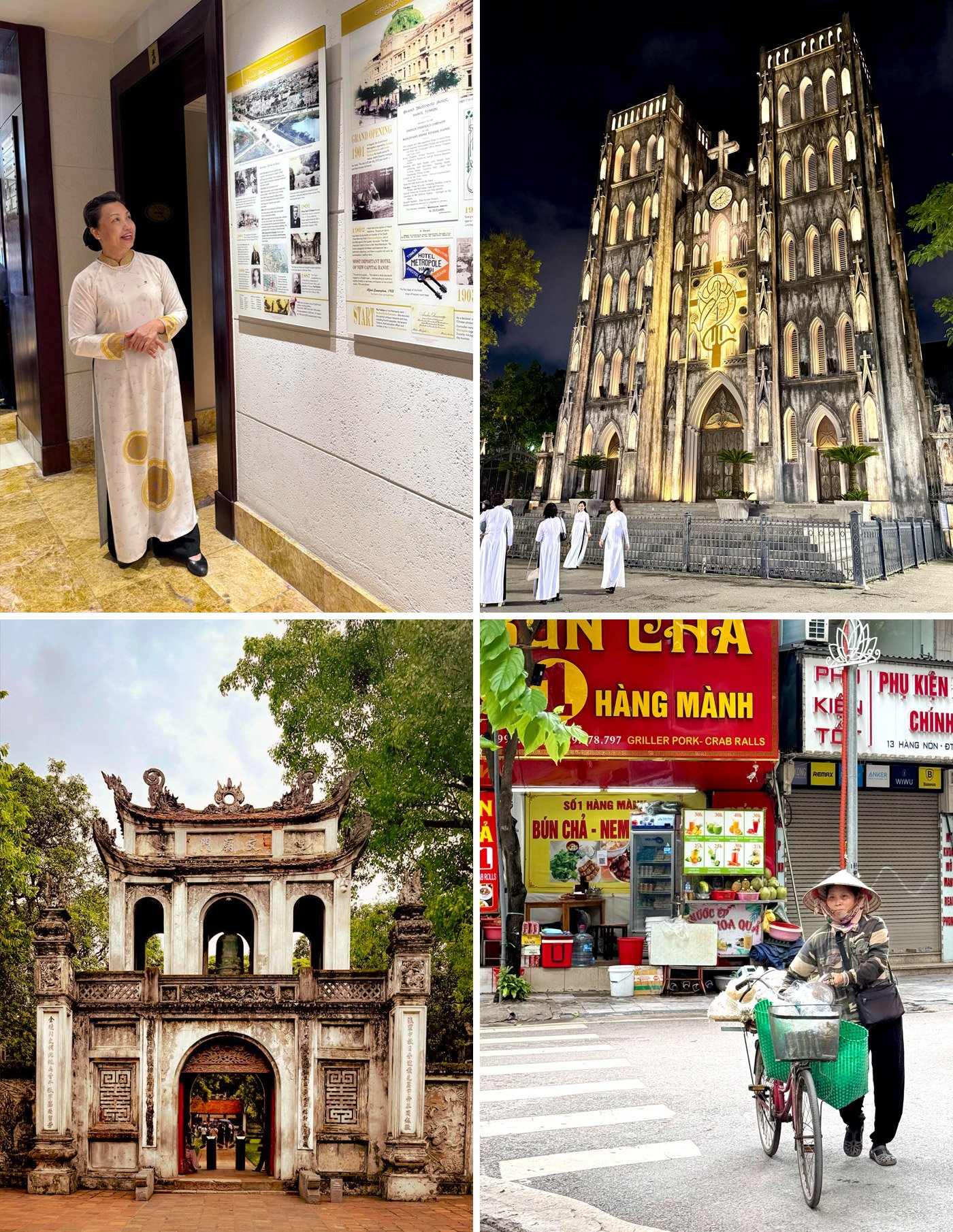
I began in Hanoi, a city that overwhelms the senses in the best possible way - a whirlwind of colour, scent and sound that gets under your skin almost immediately. I stayed in the Heritage Wing of the Sofitel Legend Metropole, the city’s most storied hotel, which has welcomed presidents, film stars and literary icons since 1901. Its greatest allure lies in how it mirrors Hanoi itself - from colonial elegance through wartime resilience to its cosmopolitan present. Beneath the swimming pool, an air raid bunker remains a quietly extraordinary reminder of that layered history.
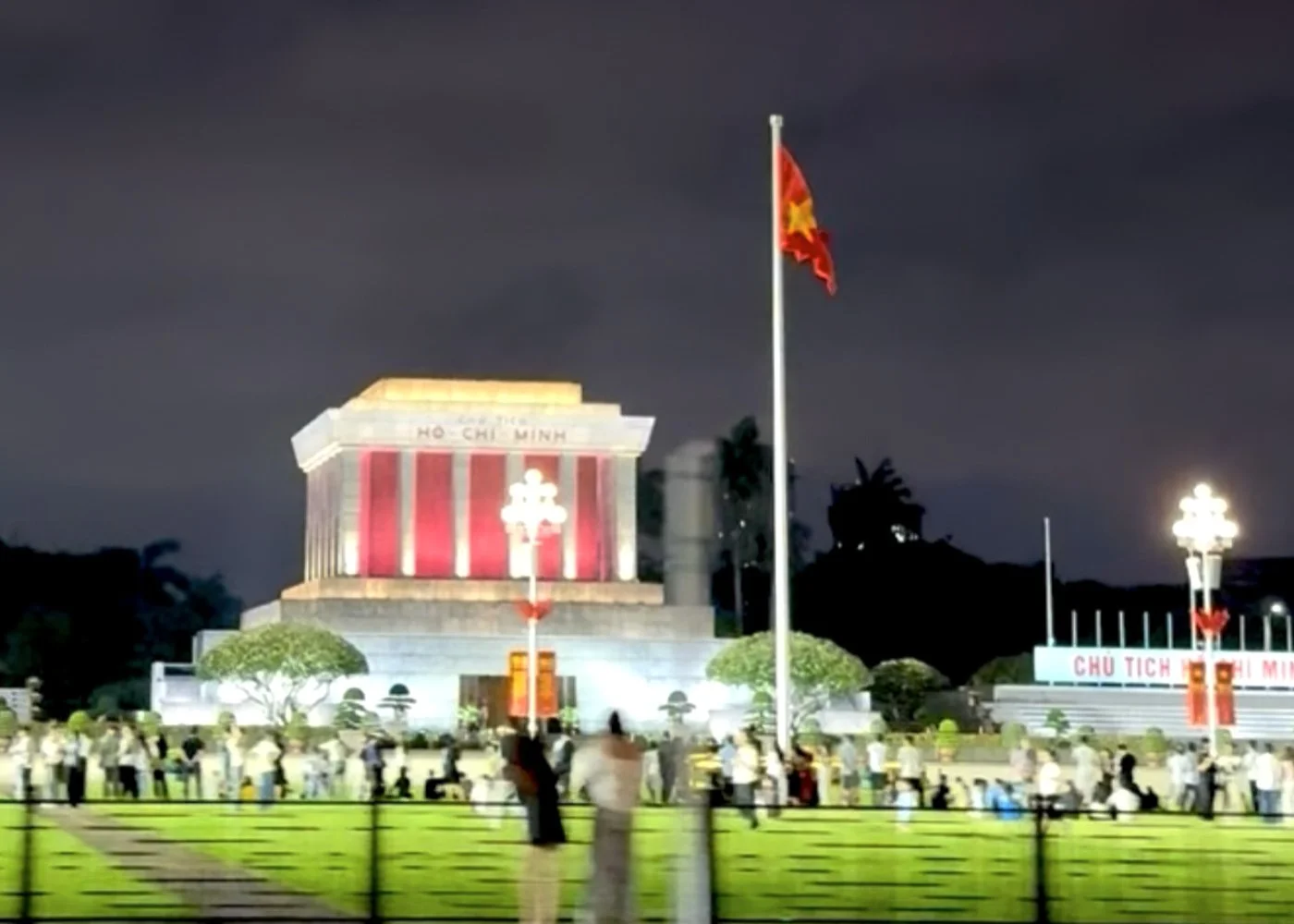
Equally compelling is Ho Chi Minh’s Mausoleum: a vast, austere structure of grey granite housing the preserved body of the nation’s founding leader. It is both fascinating and deeply sobering.
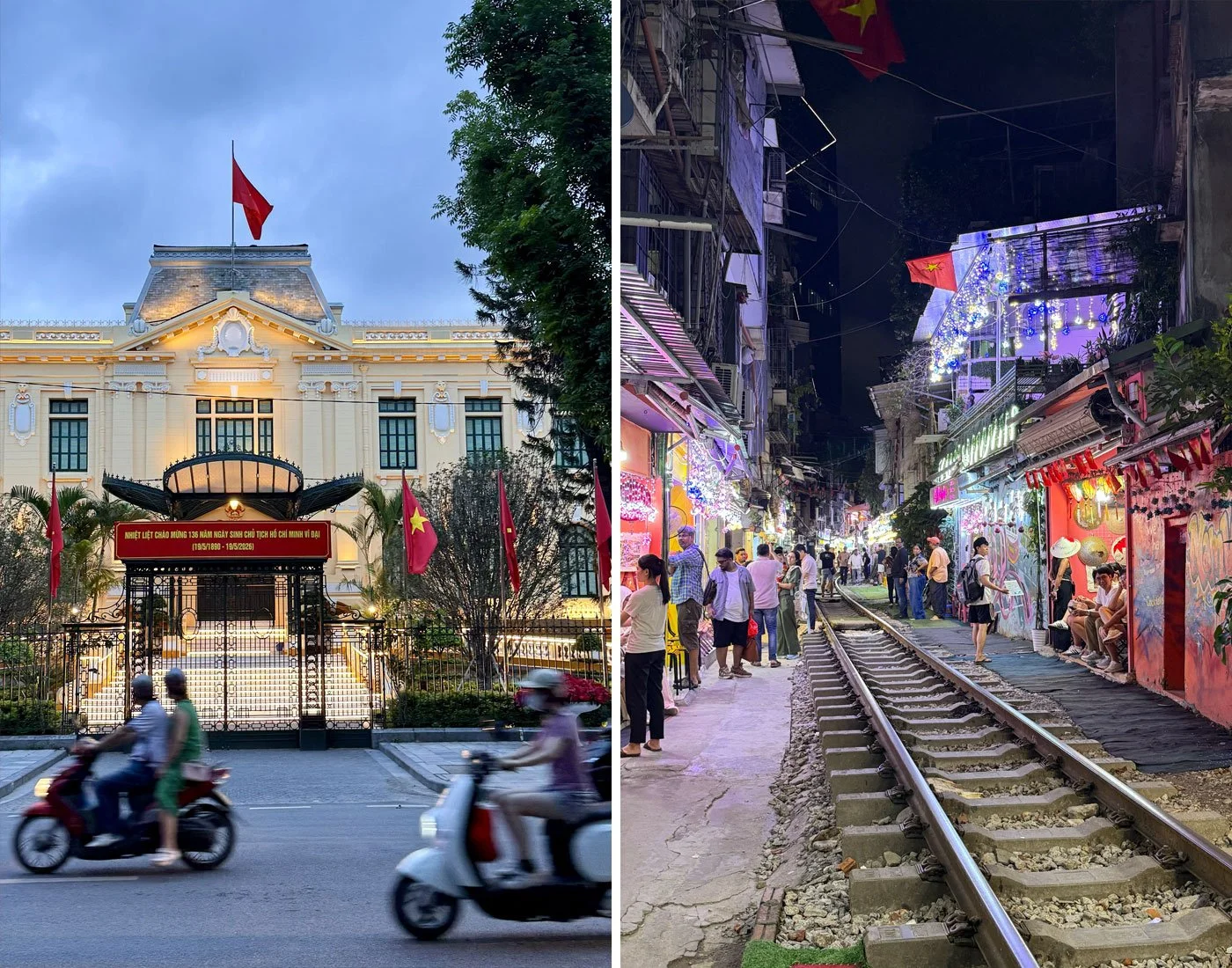
Exploring the Old Quarter by vintage Vespa was a highlight, as was the Temple of Literature – Vietnam’s first university – with its tranquil courtyards and deep-rooted Confucian heritage. Even the famously chaotic Train Street proved unforgettable: lanterns glowing, a cold drink in hand, and a train passing inches away in a rush of noise and light.
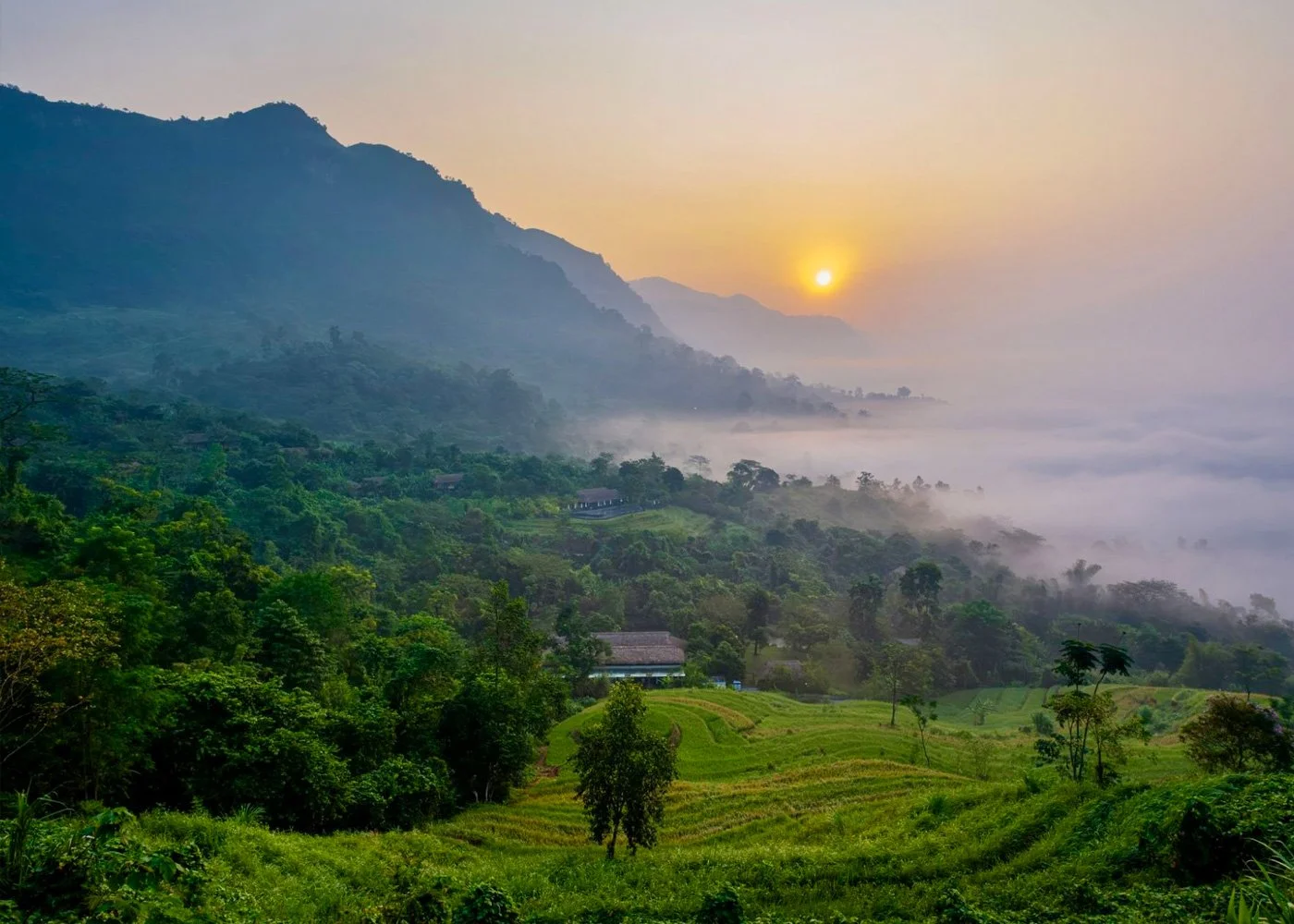
From Hanoi, I travelled north to Avana Retreat in Mai Chau, an eco-resort set among terraced rice paddies, mist-shrouded mountains and forested valleys inhabited for centuries by ethnic minority communities. Here, the pace slows entirely. Days are spent exploring waterfalls, winding rivers and hidden caves, offering a rare glimpse into a way of life that feels beautifully untouched.
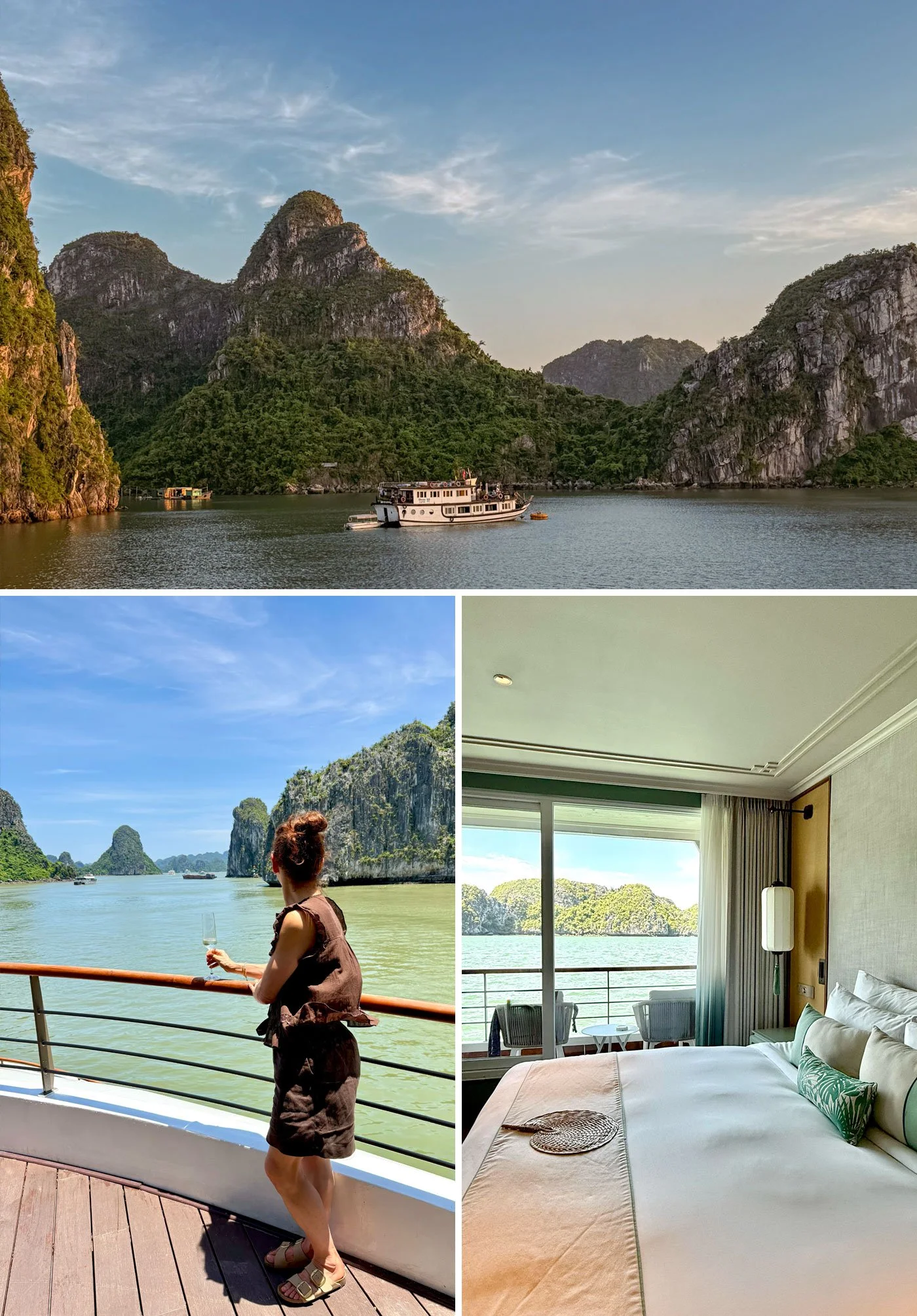
Next came Ha Long Bay aboard the Bhaya Soul, one of the newest luxury vessels to cruise this iconic UNESCO World Heritage Site. There’s no denying that Ha Long Bay is one of Vietnam’s most popular destinations, and with good reason, so you will see plenty of boats on the water. However, Bhaya Soul follows a quieter route, steering away from the busiest areas to reveal a more peaceful side of the bay. As you glide between towering limestone karsts rising dramatically from emerald waters, with tiny fishing boats dwarfed by the sheer scale of the landscape, it’s impossible not to be captivated by one of Vietnam’s most breathtaking natural wonders.
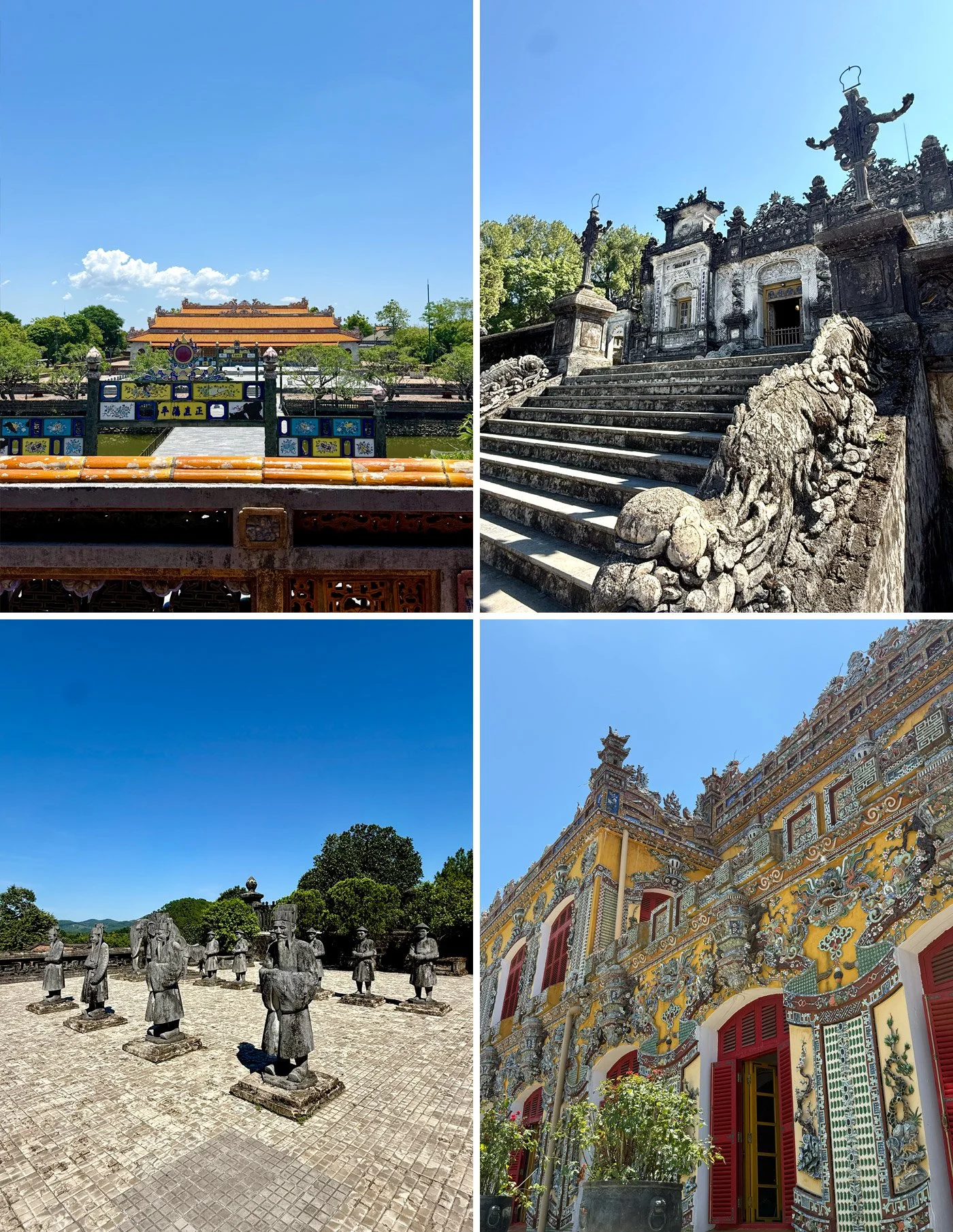
In Central Vietnam, I spent time in Hué, the former imperial capital on the banks of the Perfume River. Royal citadels, tombs, working temples and ornate pagodas sit alongside a living, modern city, creating one of the most fascinating blends of old and new in the country. It remains one of Vietnam’s most underrated destinations.
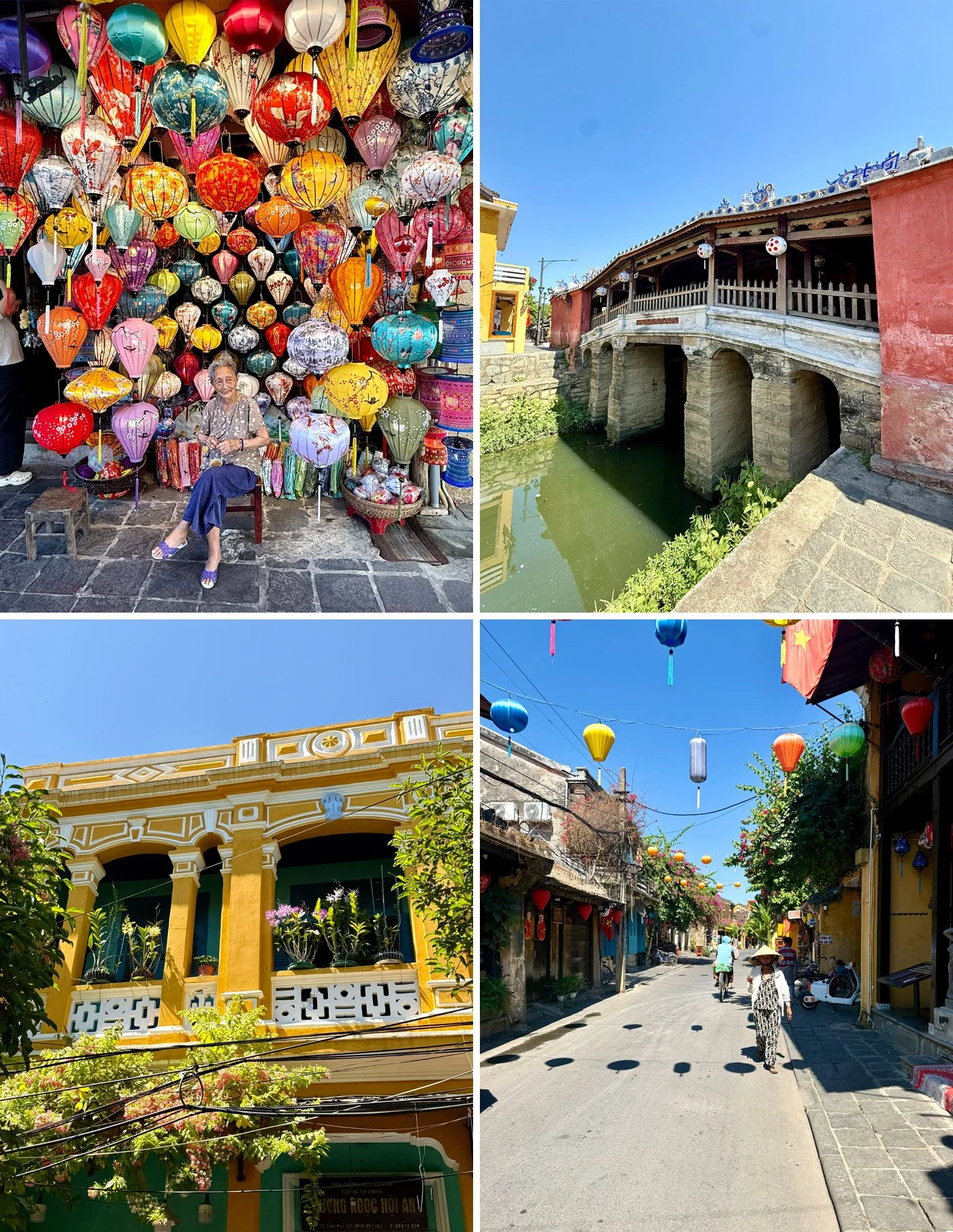
From there, I continued to Hoi An, a beautifully preserved trading port with sunshine-yellow streets and a beguiling riverside setting. Once a thriving hub for merchants from China, Japan and France, it is now a UNESCO-listed treasure where Japanese merchant houses, Chinese temples, traditional pagodas and centuries-old tea warehouses tell the story of its rich trading past. Its compact size makes it perfect for wandering at leisure, especially as dusk falls and thousands of colourful lanterns illuminate the Old Town.
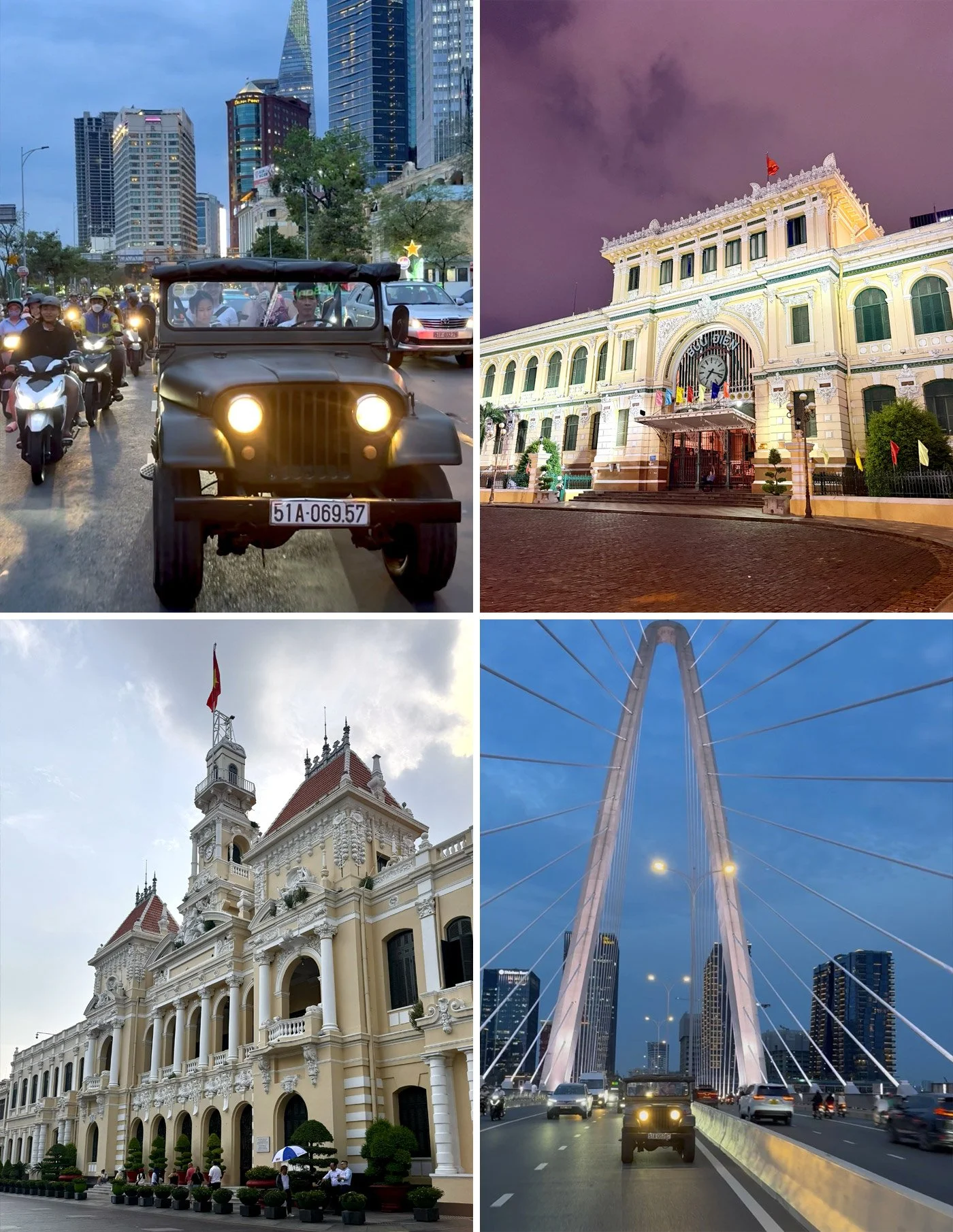
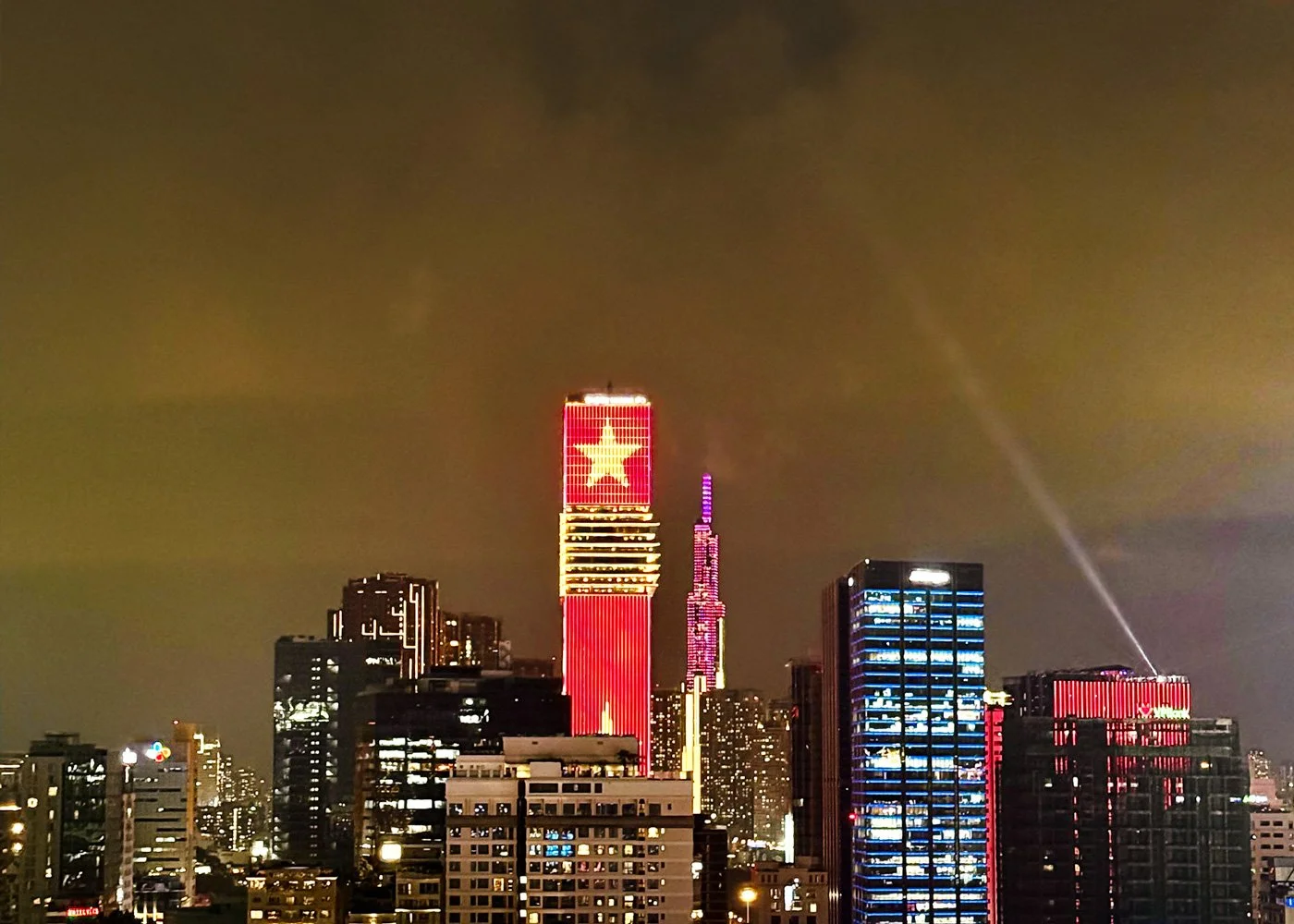
My journey concluded in Ho Chi Minh City - still affectionately known as Saigon - a city defined by momentum and reinvention. A booming economy has brought a new energy, with sophisticated cafés, an exciting dining scene and a flourishing contemporary art culture. Yet its history is never far away. The War Remnants Museum is harrowing but essential, whilst the Cu Chi Tunnels, best reached by speedboat to avoid the traffic on the roads, offer an extraordinary insight into Vietnam’s wartime past.
One evening, I explored the city in a vintage jeep, once used during the Vietnam War, on a street food tour through bustling local neighbourhoods. Sampling authentic dishes, enjoying locally brewed beer and watching Saigon come alive after dark was the perfect way to experience the city's irrepressible spirit.
Vietnam offers an extraordinary diversity of experiences within a single journey. The main highlights can be comfortably explored in around two weeks, although a more relaxed pace over two and a half weeks allows time to savour each destination. For those with longer to travel, Cambodia combines beautifully with Vietnam to create an unforgettable Southeast Asian adventure.
One important consideration is that Vietnam’s long, narrow geography means the climate varies significantly between north, central and southern regions at different times of the year, making planning more complex than many people realise. Having recently travelled the country myself and working closely with trusted partners on the ground, I can help you navigate the seasons and create an itinerary that makes the very best of your time.
If Vietnam - or Southeast Asia more broadly - has ever been on your wish list, I’d love to help you plan a journey that goes beyond the obvious and is tailored entirely to you. Whether you’re dreaming of luxury retreats, extraordinary landscapes, unforgettable food or immersive cultural experiences, I can create an itinerary that perfectly matches your interests and travel style. So please do get in touch.